
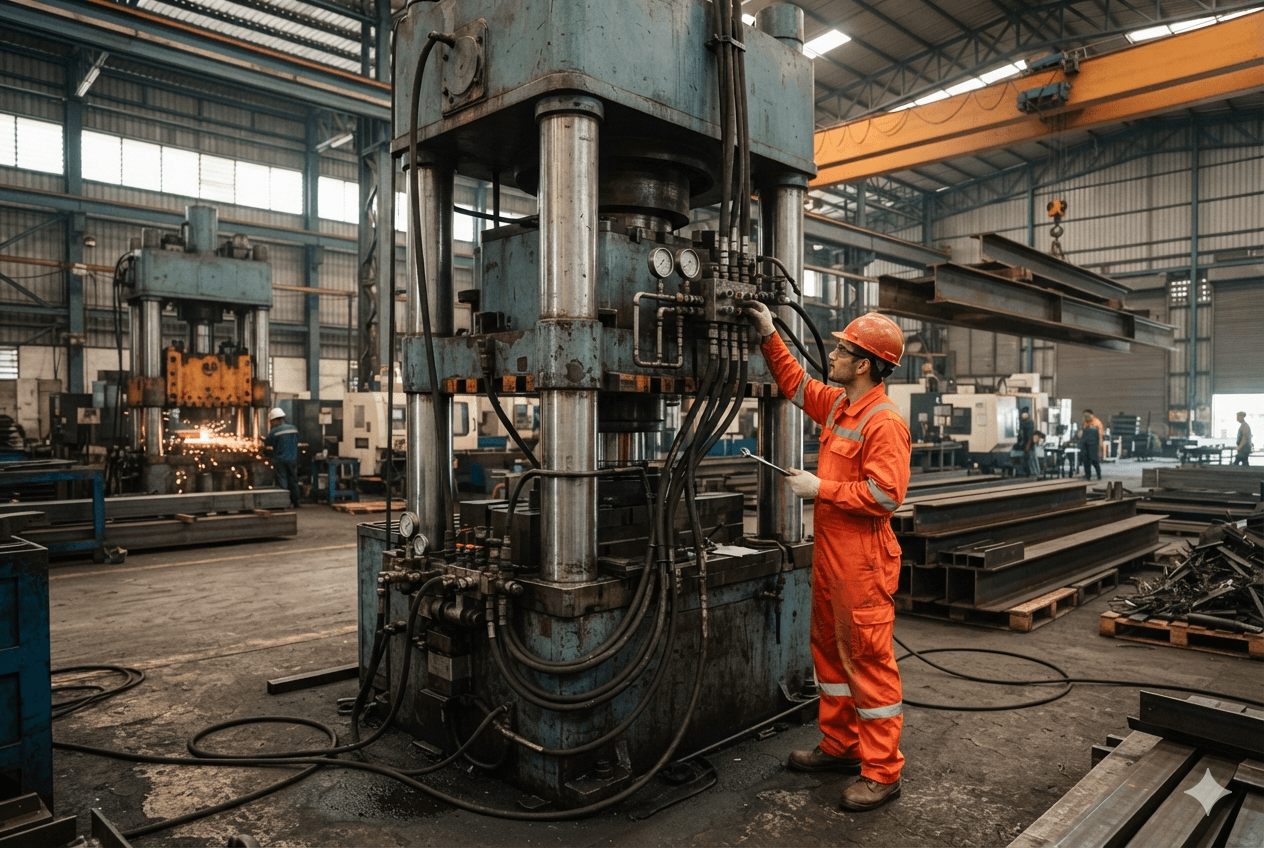
How Industrial Hydraulic Services Improve Equipment Performance
Let's get straight to it. If you're slogging it out in the Aussie industrial sector, heavy machinery is your absolute bread and butter. We're talking about everything from massive excavators tearing up the dirt in the Pilbara to those high-pressure vulcanising presses sitting on the local factory floor. They do the brutal heavy lifting, day after sweaty day. But here is a wildly frustrating statistic for you.
Did you know that almost 70 percent of all hydraulic system failures boil down to something incredibly basic? Yes, fluid contamination and degraded oil. It's a massive, expensive headache. We are talking about busted gear, dead production lines, and repair bills that will literally make your eyes water. That right there is exactly why bringing in top-tier industrial hydraulic services is entirely non-negotiable for serious operators. It's the ultimate game-changer.
The Blood Test Your Machinery Needs
Think of fluid analysis as a blood test for your iron giants. Routine checks let the experts spot impending doom way before your machinery decides to spit the dummy. When professionals pull an oil sample, they are hunting for a few specific troublemakers:
- Microscopic Metal Shards: Experts count these tiny fragments to figure out exactly which internal guts are chewing themselves to pieces.
- Sneaky Moisture: Water is the worst. Moisture entering leads to rust, raises the level of acid, and totally destroys the oil's thickness.
- Heat and Varnish: Overheating hydraulic oil is like baking it into a dirty, sticky layer called varnish. This stuff coats your valves and suffocates your filters. Thankfully, modern tech like Membrane Patch Colourimetry measures that sticky mess so you can drop in fresh oil exactly when it's needed.
Ditching the Guesswork
So, how do you actually look after this stuff? Sticking to a rigid calendar service is better than nothing, sure. It helps your equipment limp from one planned check to the next. But let's be real, the industry's smartest players have already moved on. They are leaning hard into predictive, condition-based monitoring.
Instead of crossing their fingers and guessing service dates, they slap sensors onto the gear. We're talking real-time data tracking vibrations and temperature spikes. This kind of hard, undeniable diagnostic data is an absolute lifesaver when it comes to maintaining hydraulic cylinders and those other high-stress parts that take a severe beating.
Here is why this data-driven approach is a fair dinkum lifesaver:
- No Surprises: You only pull things apart when the numbers say so. No panicked scrambles.
- Smart Scheduling: You schedule fixes when it actually suits your production peak.
- Cost Slashing: It slashes running costs while squeezing every last drop of value from your capital investment.
Upgrading the Hardware
But wait, there's more. Your very first barrier against internal destruction? A brutally efficient filtration setup. Catching foreign dirt and metal flakes before they grind your components into dust is mission-critical. A killer setup usually twins two things:
- Full-Flow Filters: These grab the big, blockage-causing chunks right out of the main line.
- Bypass Filters: These endlessly scrub out the tiny specks of soot and water off to the side without interrupting the primary pressure.
It doesn't stop at the fluid, though. Upgrading the actual hardware can completely transform how your rig handles stress. Take hydraulic accumulators, for example. These little beauties act as shock absorbers right inside your circuit. When extreme demand hits, they soak up the pressure spikes and smooth everything out. That means your system doesn't need to constantly rely on some massive, power-hungry pump. They dampen the nasty vibrations that would otherwise literally shake your pipework to pieces.
Final Thoughts:
In a nutshell, handling your fluid power equipment shouldn't be a never-ending struggle of putting out fires. Equip yourself with accurate diagnostic data and a few smart hardware upgrades, and you will entirely change the situation. You'll find yourself operating in a finely controlled and very profitable way. Dependable hydraulic system maintenance doesn't have to be just a boring task; it can be in fact the key to great reliability.


0 Comments